Upholstery cleaning near Queens Park Station NW6
Posted on 04/09/2026
Upholstery cleaning near Queens Park Station NW6: a practical local guide for cleaner, longer-lasting furniture
If your sofa is looking a bit tired, your dining chairs are picking up everyday grime, or that armchair near the window has started to hold on to smells, you are not alone. Upholstery cleaning near Queens Park Station NW6 is one of those jobs people put off until stains, dust and odours become hard to ignore. The good news? With the right approach, most fabric furniture can be refreshed properly without harsh guesswork. This guide explains what professional upholstery cleaning involves, why it matters in a busy North West London home, and how to decide what makes sense for your furniture, your time, and your budget.
Queens Park has a proper mix of family homes, flats, rental properties and home offices, so upholstery takes a fair bit of daily wear. Spilled tea, pet hair, traffic dust, food crumbs, general city living - it all settles in. Let's face it, sofas do a lot more work than we give them credit for.
Why Upholstery cleaning near Queens Park Station NW6 Matters
Upholstery is one of the biggest hidden collectors of dust in a home. Unlike a hard floor, fabric traps particles in layers. That includes dust, skin flakes, pollen, pet dander, food residue and the kind of fine debris that seems to arrive from nowhere. In a neighbourhood like Queens Park, where people move between busy streets, public transport, cafes and family life, furniture can become dull surprisingly quickly.
There is also the appearance factor. A sofa with a few visible marks can make a room feel less cared for, even if the rest of the home is spotless. If you are getting ready for guests, a tenancy handover, a sale, or simply want your living room to feel fresher again, clean upholstery changes the whole atmosphere. You notice it when you sit down. The fabric feels softer, looks brighter, and the room just smells cleaner. Small thing, big effect.
There is a hygiene angle too. Upholstery cleaning is not a magic cure for all indoor air issues, but it can reduce the build-up of contaminants sitting in the fabric. For households with children, allergy sensitivity, pets, or regular visitors, that is not trivial.
For local households already thinking about broader upkeep, it often makes sense to pair upholstery work with other home care tasks. Some people combine it with a wider refresh like spring cleaning in Queens Park or schedule it alongside a full deep cleaning service in Queens Park. That can save time and make the result feel more complete.
How Upholstery cleaning near Queens Park Station NW6 Works
Good upholstery cleaning is not just "spray and scrub". In practice, it is a controlled process designed to lift soil without damaging the fibres, backing or fillings. The exact method depends on the fabric type, the age of the furniture, and the kind of marking involved.
Here is the typical flow:
- Inspection - The cleaner checks the fabric type, colourfastness, seams, wear points and any visible stains. This matters because one fabric can tolerate moisture well while another may shrink or mark easily.
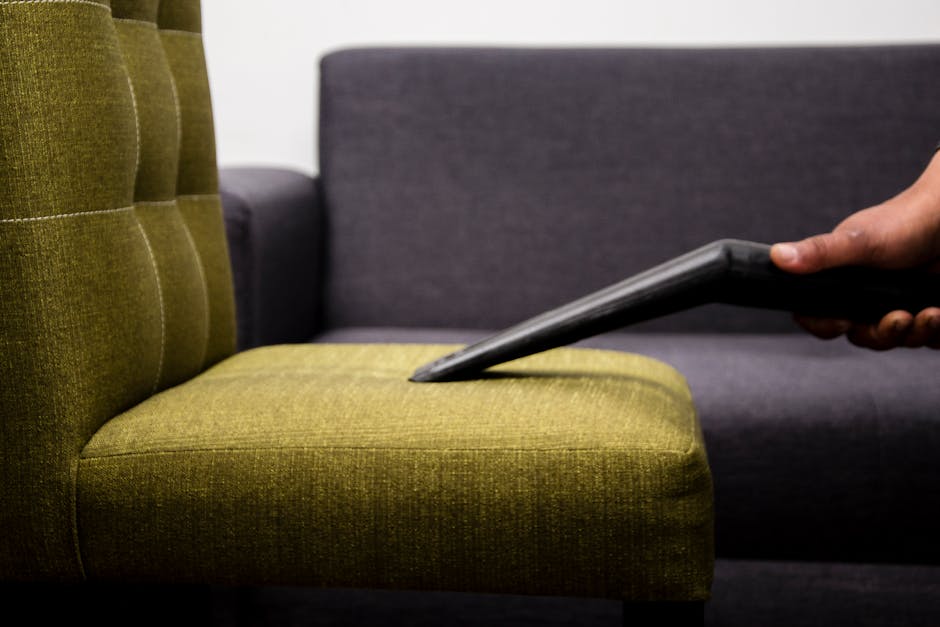
- Vacuuming and dry soil removal - Loose dust, crumbs and hair are removed first. If this step is rushed, wet cleaning can turn dry debris into a muddy mess. Not ideal.
- Spot testing - A small hidden area is tested to make sure the chosen solution will not cause colour bleed or distortion.
- Pre-treatment - Stains and heavily used areas are treated with suitable cleaning products to help loosen grime.
- Main cleaning - Depending on the fabric, this may involve hot water extraction, low-moisture cleaning, or specialist hand cleaning.
- Rinse or fibre conditioning - Any remaining residue is reduced so the fabric does not stay sticky and attract dirt again.
- Drying and final grooming - The cleaner raises the fibres and checks for any remaining marks once the fabric is dry enough to assess properly.
The phrase "steam cleaning" gets used a lot, but for upholstery it is worth being careful. In many cases, the method is technically hot water extraction rather than literal steam. That distinction matters because upholstery generally needs controlled moisture, not soaking. Too much water can leave cushions damp for ages, and nobody wants a sofa that smells like an old laundry basket.
If you are comparing services, a local provider with a wider cleaning overview can help you decide whether upholstery cleaning should stand alone or be bundled with other work. You can review the wider services overview before deciding what fits your home best.
Key Benefits and Practical Advantages
People usually book upholstery cleaning because they want one thing: cleaner furniture. But the real value often goes further than that.
- Improved appearance - Fabric colour looks fresher, and the room immediately feels better kept.
- Reduced odours - Everyday smells from food, pets and life in general do not cling as strongly after proper cleaning.
- Better comfort - Clean fibres feel nicer to sit on. It is a subtle thing, but you notice it.
- Longer upholstery life - Regular removal of embedded grit helps reduce fibre abrasion over time.
- More hygienic living space - Removing built-up dirt and allergens can improve day-to-day comfort, especially for sensitive households.
- Useful for landlords and tenants - Clean upholstery can support a smoother inspection, though expectations should always be agreed in advance.
There is also a confidence factor. People sit more comfortably in a room that feels looked after. Sounds obvious, but that matters in a home where the sofa is the main social zone. During a rainy London afternoon, for example, your sofa is probably where everyone ends up. If that sofa looks clean, the whole place feels calmer.
For local customers who need one-off refreshes rather than ongoing maintenance, it can also sit alongside one-off cleaning in Queens Park or a broader domestic cleaning service when the goal is to get the whole home back into shape.
Who This Is For and When It Makes Sense
Upholstery cleaning is not just for homes with visible stains. In truth, some of the best results come when people book before the furniture looks obviously bad. Preventive cleaning keeps fabrics in better shape for longer.
This service tends to make the most sense for:
- Families with children who snack, spill and live on the sofa a bit more than they should
- Pet owners dealing with fur, odours and the occasional muddy paw
- Renters who want the property to feel presentable and cared for before moving out
- Homeowners preparing for guests, seasonal refreshes or home staging
- Landlords and letting agents who need furniture to look clean and neutral between occupiers
- Office managers with reception seating, breakout areas or fabric chairs that see daily use
There are also clear moments when it should move up your list. A visible ring stain on a sofa arm. A smell that returns even after airing the room. A pale chair that has slowly gone grey in the corners. Or that awkward moment when you realise the seat you always choose is the one with the mystery patch. Happens more often than people admit.
If you are unsure whether the furniture is suitable, a specialist inspection is the sensible next step. Some antique, delicate or mixed-material items need a gentler method, and not every fabric should be treated the same way. That is normal, not a problem.
Step-by-Step Guidance
If you want to understand what a proper upholstery clean should look like, this is the practical version. No fluff.
- Identify the fabric
Check the care label if it is available. The label often gives clues about whether the fabric can handle water-based cleaning, solvent-based cleaning, or only very light treatment. If there is no label, the cleaner should test carefully. - Clear the area
Move small items, throws and cushions where possible. This gives better access and reduces the chance of awkward missed spots behind the arms or base. - Vacuum thoroughly
Dry debris needs to come off first. Crevice tools are especially useful around seams and buttons where crumbs collect. - Deal with stains individually
Different stains behave differently. Grease, drink spills, pet marks and makeup need different treatment. The wrong product can set the stain, which is frustrating in a very British way. - Clean with the right level of moisture
Too much liquid is risky. The cleaner should work methodically, rather than drenching the fabric and hoping for the best. - Inspect while drying
Some marks only become visible as the fabric dries. A good cleaner checks back and reassesses once the fibres have lifted. - Allow proper dry time
Open windows if appropriate, keep the room ventilated, and avoid sitting on the furniture until it is ready. Rushing this stage is a classic mistake.
A small but useful point: the finishing stage matters more than many people think. Once the upholstery is dry, the fibres should be brushed or groomed in the correct direction. That helps the fabric look even rather than flattened or patchy.
If you are arranging cleaning as part of a larger property care plan, it is worth reading up on related services like end of tenancy cleaning in Queens Park or office cleaning in Queens Park where upholstered seating may also need attention.
Expert Tips for Better Results
There are a few simple habits that make a noticeable difference. Most of them are easy, which is nice for once.
- Act on spills quickly - Blot, do not rub. Rubbing pushes liquid deeper and can rough up the fibres.
- Keep up with vacuuming - Weekly vacuuming is often enough for heavily used seating. More often if you have pets.
- Use protective throws carefully - They help, but they should be washed too. Otherwise they just become the new dirt trap.
- Rotate cushions - If your sofa allows it, rotating cushions evens out wear and keeps one side from ageing faster.
- Check sun exposure - Strong daylight can fade fabric. If one side of the sofa gets hit by the sun all afternoon, you may notice uneven colour over time.
- Ask about the drying plan - Good cleaning is not only about the wash. Drying advice matters just as much.
One practical tip from the real world: if you are getting upholstery cleaned before a dinner party, book early enough that drying is not a scramble. There is nothing elegant about trying to dry a sofa at 6 p.m. while guests are due at seven. A bit of planning saves stress.
Another one - always tell the cleaner about past cleaning attempts. Even if it was just a supermarket spray and a hopeful scrub. That information helps them avoid repeating the same mistake.

Common Mistakes to Avoid
Most upholstery damage after cleaning comes from avoidable choices, not from the cleaning itself. That is the annoying part.
- Using too much water - This can cause long drying times, shrinkage or water marks.
- Skipping the fabric check - Cleaning one material as if it were another is asking for trouble.
- Scrubbing aggressively - You may remove some dirt, but you can also flatten the pile or spread the stain.
- Applying the wrong stain remover - Some products react badly with dyes or finishes.
- Not testing first - A hidden patch test is boring, yes, but very necessary.
- Sitting on damp furniture too soon - This compresses fibres and can make the result look uneven.
It is also worth avoiding the temptation to "just have a go" with random products if the upholstery is valuable or delicate. A quick home fix can turn into a much more awkward job. And then you are explaining a water halo on the cushion like it was always meant to be there. Not ideal.
Tools, Resources and Recommendations
For everyday maintenance, you do not need a van full of specialist equipment. A sensible home care routine goes a long way.
| Tool or approach | Best for | What to watch for |
|---|---|---|
| Upholstery attachment vacuum | Routine dust and crumb removal | Avoid overworking seams and delicate trims |
| Microfibre cloth | Light blotting and surface wiping | Use gently; do not rub stains in |
| Patch test area | Checking colourfastness before treatment | Always test in a hidden spot first |
| Neutral cleaning approach | General fabric cleaning when appropriate | Match the method to the fabric, not the other way round |
| Airflow and ventilation | Drying support | Do not overheat delicate fabrics |
For readers who prefer a broader local service relationship, it can help to review the company background and service approach on the about us page and the Queens Park carpet cleaning NW6 service page. That gives a better sense of how upholstery care fits into the wider cleaning offer.
If your decision is mostly about value and budgeting, it is sensible to check the current pricing and quotes information before you book. Clear expectations are always better than awkward surprises.
Law, Compliance, Standards, or Best Practice
Upholstery cleaning is not a heavily regulated area in the way some trades are, but that does not mean standards do not matter. In the UK, good practice usually means working carefully with fabric safety, product use, customer consent, and property protection. A reputable cleaner should be clear about what they are doing, what they are not doing, and any limits related to delicate fabrics or existing damage.
From a practical standpoint, best practice usually includes:
- carrying out a visible inspection before cleaning
- testing chemicals on a discreet area where appropriate
- using suitable protective measures around furnishings and flooring
- explaining any remaining marks that cannot be safely removed
- giving realistic drying advice rather than optimistic guesses
If you are arranging cleaning for a shared property, rental, or business space, it also helps to understand how the provider handles safety, access and complaints. That sort of transparency matters. For reassurance, you can review the company's insurance and safety information, along with the health and safety policy and the complaints procedure. Those pages are useful precisely because they show how the business thinks about accountability, not just the job itself.
There is also a straightforward privacy side to booking work. If your enquiry involves personal contact details, payment information or access arrangements, it is sensible to check the privacy policy and payment and security details before confirming anything. Simple, but worth doing.
Options, Methods, or Comparison Table
Different upholstery needs different treatment. Here is a plain-English comparison to help you decide what suits your situation.
| Method | Best for | Strengths | Limitations |
|---|---|---|---|
| Basic home cleaning | Light dust, fresh marks, routine care | Cheap, quick, easy to repeat | Limited on deep stains and embedded dirt |
| Spot treatment only | Single stain or small area issue | Useful for targeted problems | Can leave tide marks if used unevenly |
| Low-moisture professional cleaning | Delicate fabrics or faster drying needs | Less wetting, often practical in flats and busy homes | May not suit every stain type |
| Hot water extraction | Deep soil removal on suitable fabrics | Strong cleaning power and good refresh effect | Requires careful drying and fabric suitability checks |
| Specialist hand cleaning | Vintage, delicate or mixed-material upholstery | Gentle and controlled | Slower and more manual |
In a compact flat near the station, drying speed may matter more than almost anything else. In a larger family home, deep cleaning performance might be the priority. Neither choice is wrong. It just depends on what problem you are actually solving.
Case Study or Real-World Example
A fairly typical local scenario: a family living a short walk from Queens Park Station had a light-coloured corner sofa that was starting to look grey around the seats and armrests. There were no dramatic stains, just that slow build-up that happens when a sofa becomes everyone's favourite spot. A child had also dropped snack crumbs into the cushions more times than anyone wanted to count.
The first surprise was that the sofa did not need aggressive treatment. It needed a careful inspection, dry soil removal, spot testing and a measured clean. The biggest improvement came not from one dramatic trick, but from doing the basics properly. Once cleaned and fully dry, the sofa looked brighter, smelled fresher and made the whole living room feel less cramped. The family later said the room felt "normal again". That is usually what people want, really.
Another common example is a rented flat where the tenant is moving out. The upholstered dining chairs might not be visibly filthy, but the property inspection will show marks that daylight somehow makes impossible to ignore. In those cases, upholstery cleaning often sits neatly alongside broader end-of-tenancy work. It is one of those jobs that feels optional right up until it suddenly isn't.
Practical Checklist
Before you book upholstery cleaning, run through this quick checklist. It keeps things simple and prevents avoidable mistakes.
- Check the fabric label or note any manufacturer guidance
- Look for stains, wear spots and colour fading before cleaning starts
- Tell the cleaner about pets, spills, previous DIY products and delicate trims
- Ask how drying will be handled in your room or property type
- Move small items away from the cleaning area
- Decide whether you want chairs, sofas, headboards or footstools cleaned together
- Confirm access details if the property is in a block or shared building
- Ask what happens if a stain cannot be fully removed safely
- Keep the room ventilated after cleaning if appropriate
- Avoid sitting on the furniture until it is dry enough
Quick takeaway: the best upholstery clean is the one matched to the fabric, not the one with the most water or the strongest product. Gentle, informed, and well-dried usually wins.
Get a free quote today and see how much you can save.
Conclusion
Upholstery cleaning near Queens Park Station NW6 is more than a cosmetic tidy-up. It helps protect your furniture, improve day-to-day comfort and bring a fresher feel back into the room you probably use most. Whether you are dealing with routine dust, a stubborn stain, pet odours or a property handover, the key is choosing the right method and not rushing the drying stage.
If you want a cleaner, calmer home without guessing your way through fabric care, the smartest move is to speak to a local specialist who understands both the material and the property type. That way, you get a result that feels proper, not patchy. And honestly, that is what most people are after.
When the sofa feels right again, the whole room does too. Small victory, but a good one.